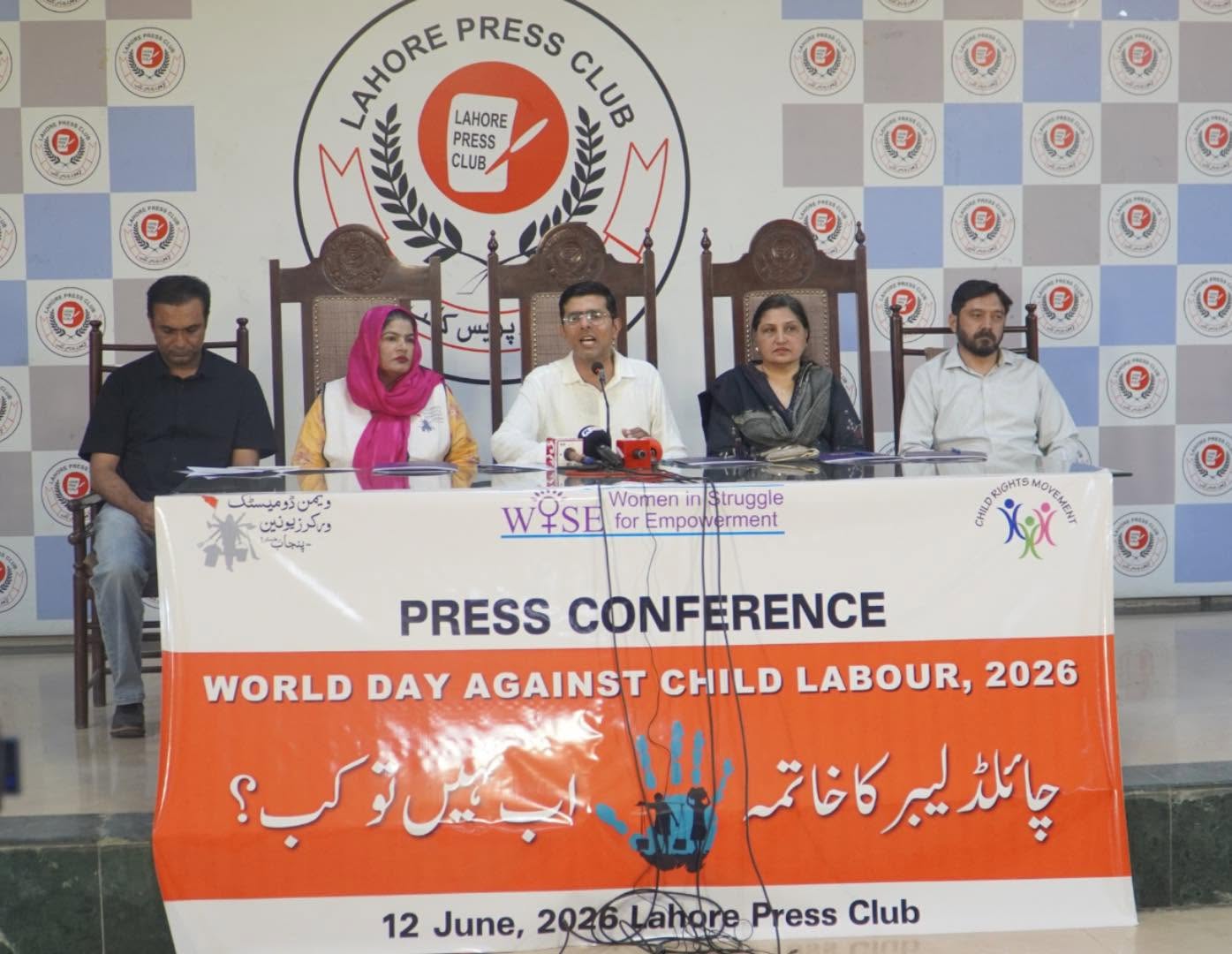
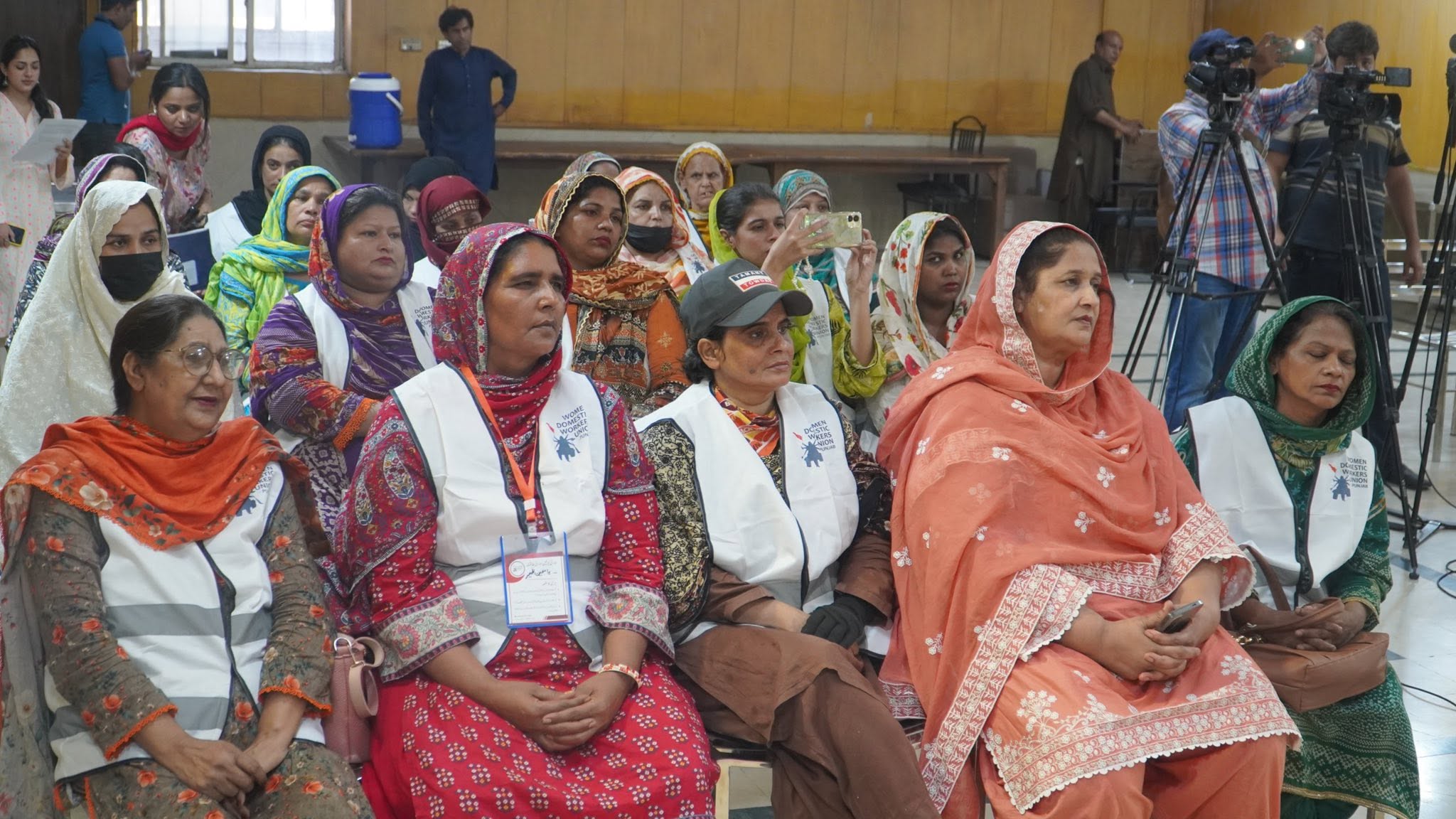
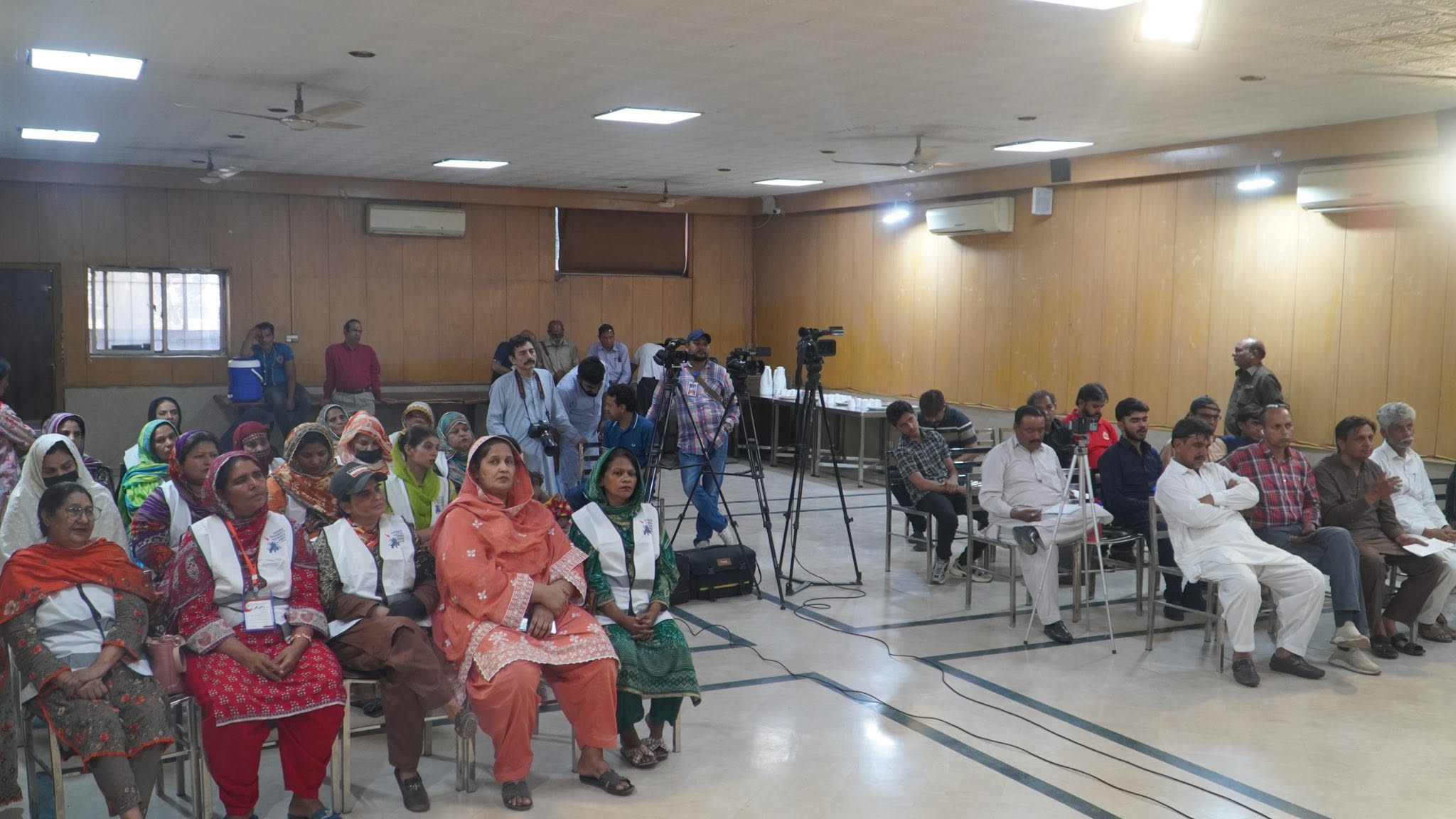
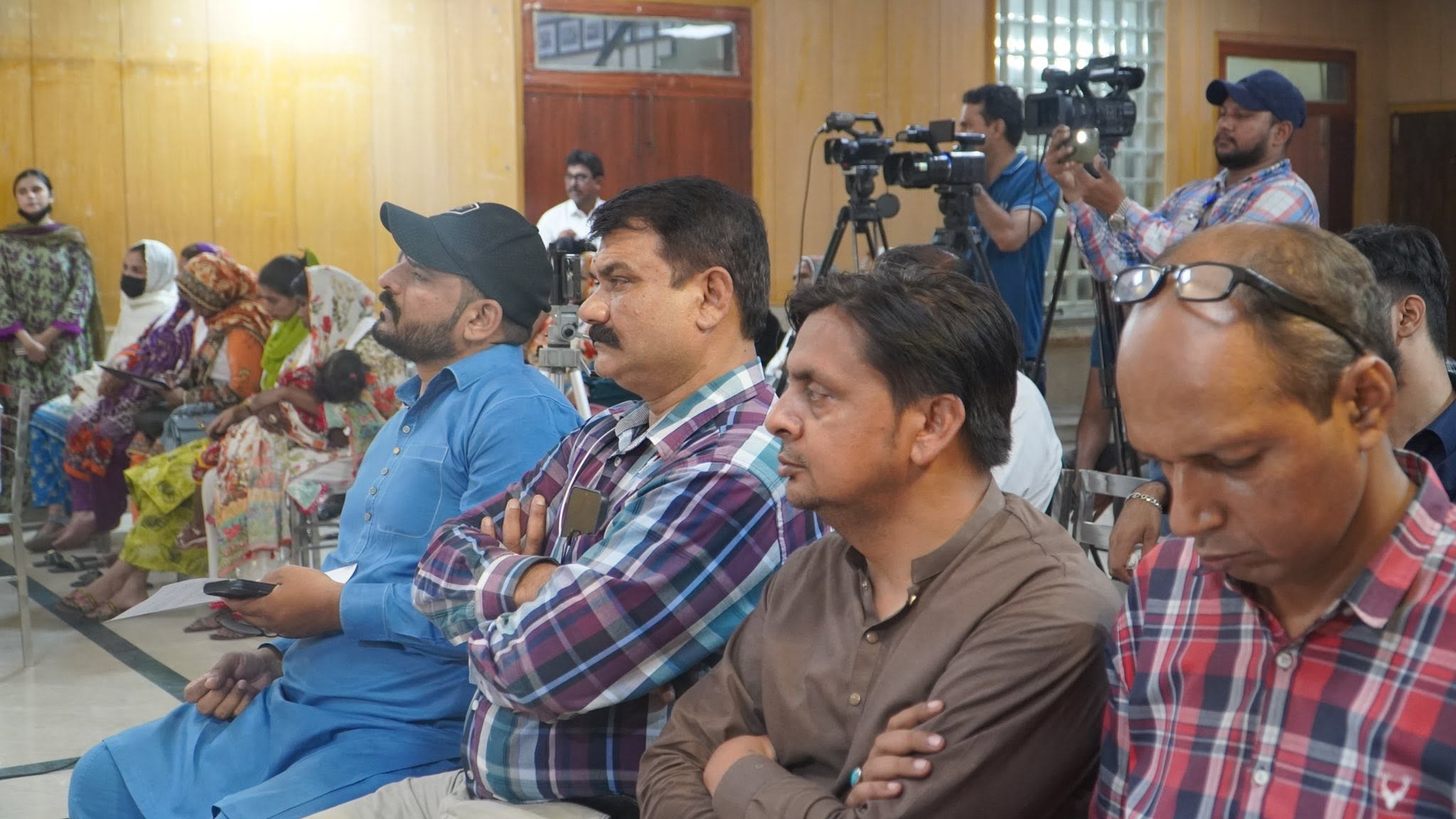
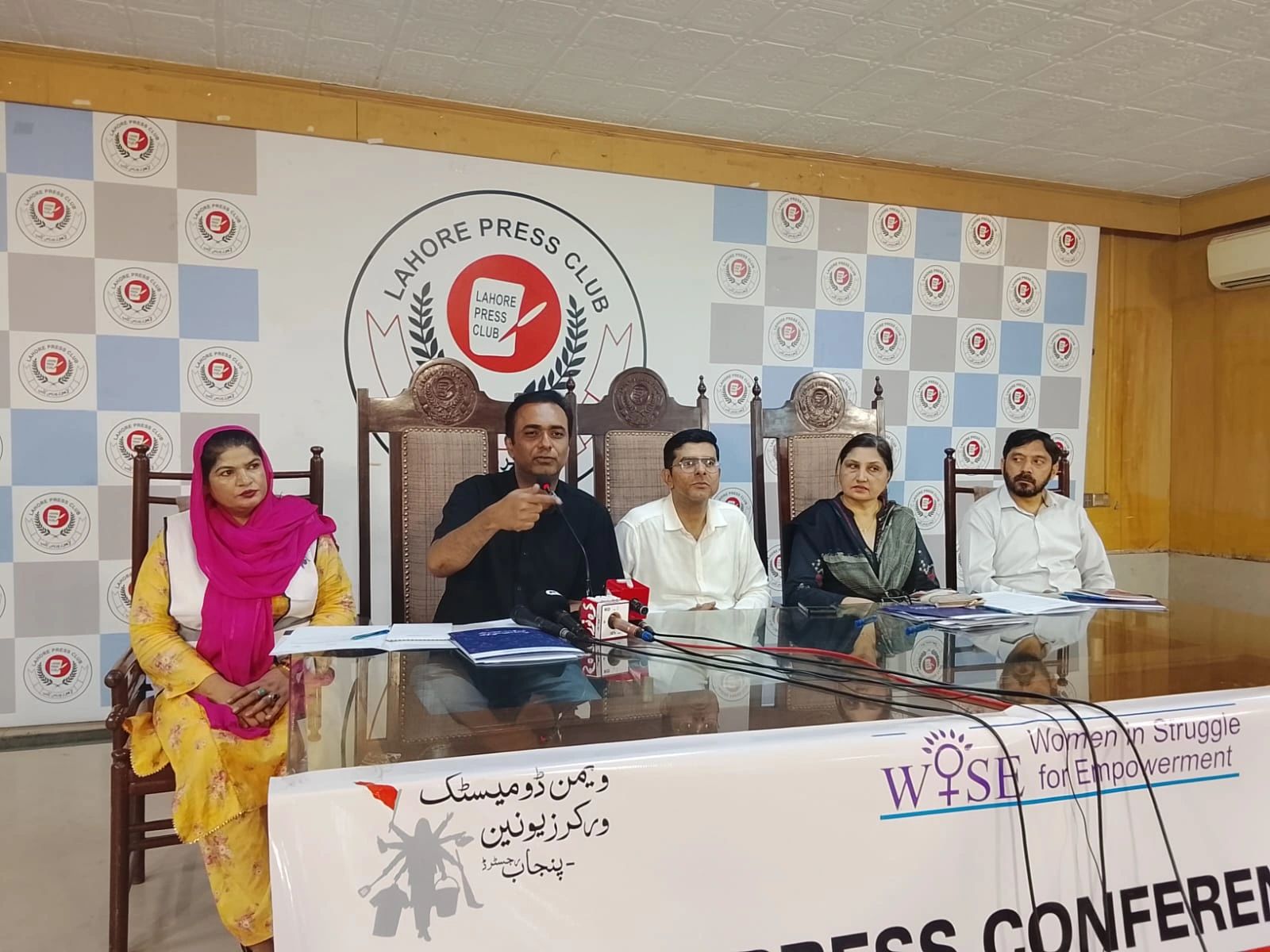
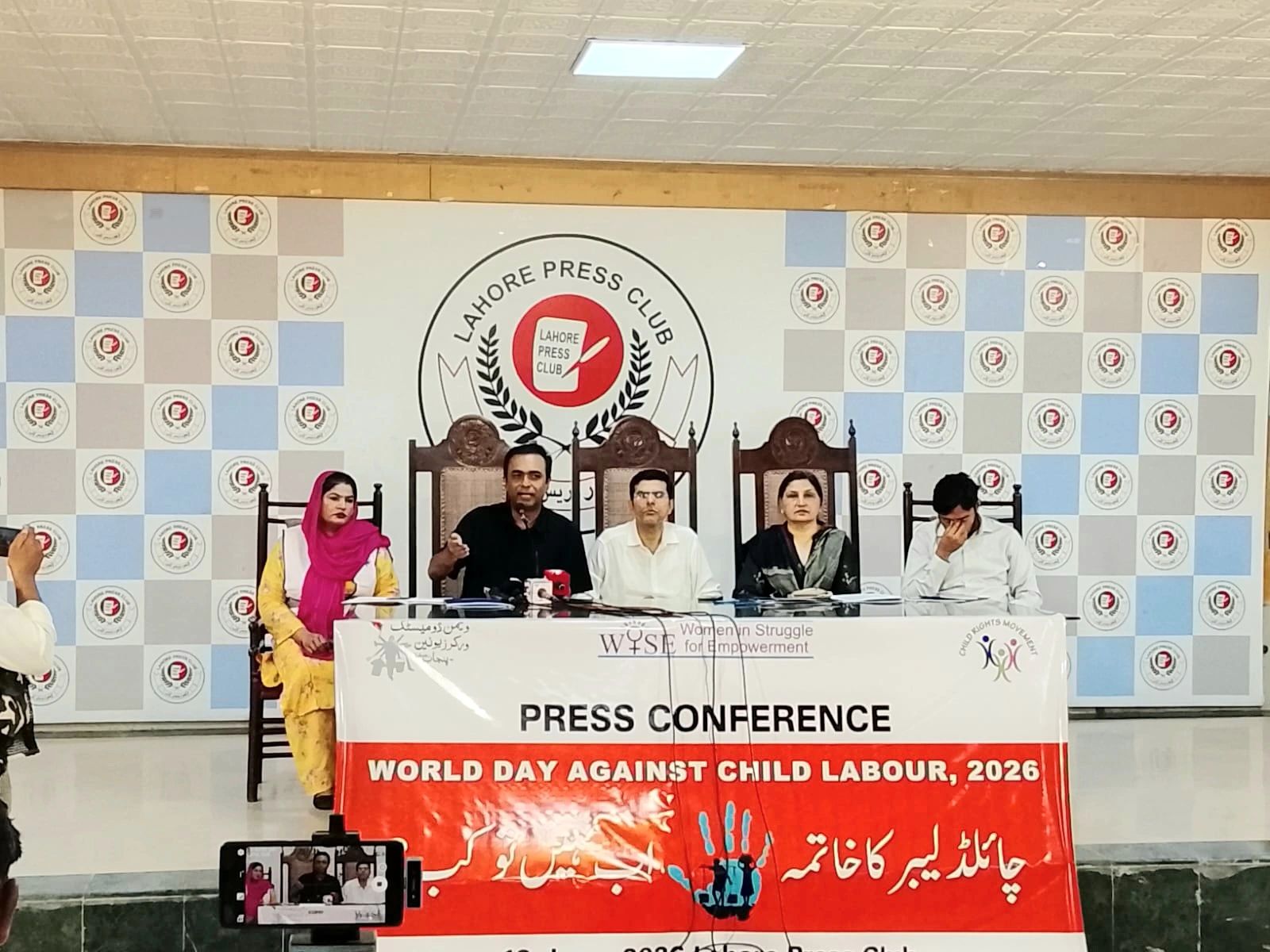
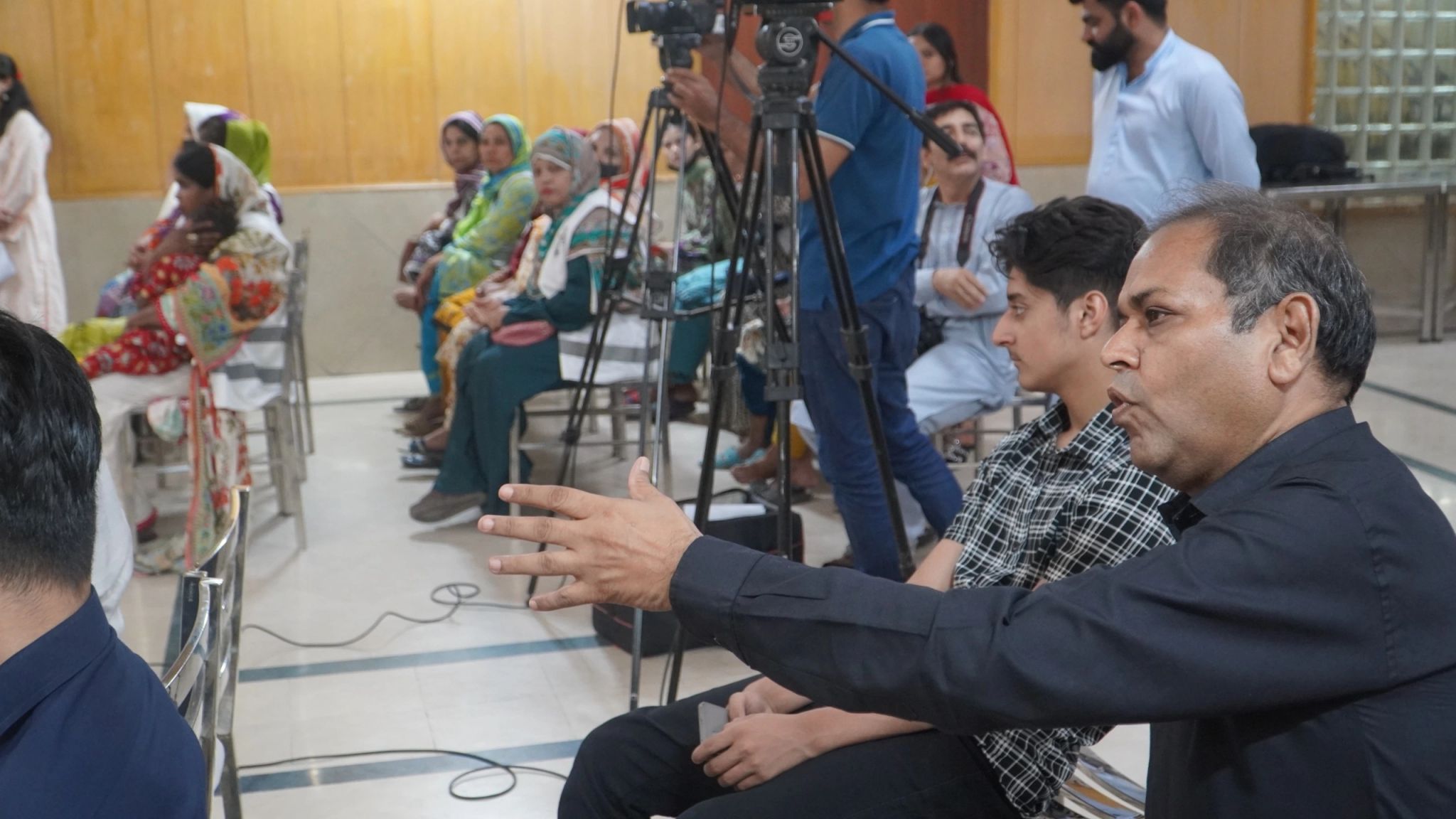
In connection with World Day Against Child Labor, today, WISE organised a press briefing in collaboration with Child Rights Movement (CRM)-Punjab and Women Domestic Workers Union – Punjab at the Lahore Press Club to highlight the plight of children involved in labour across various sectors — including domestic work, brick kilns, factories, and agriculture.
Speakers highlighted that a staggering 6 million children between the ages of 5 and 17 are currently engaged in child labour in Punjab. These numbers expose a grim reality that demands urgent govt. attention and collective action.
Quoting the data speakers said that 3.3 million children work in agriculture, over 800,000 in manufacturing with Sahiwal Division has the highest number of child labourers (750,000+) Particularly alarming is the presence of children working at brick kilns in Punjab often trapped in debt bondage and forced labour. Despite being banned under the Bonded Labour System (Abolition) Act, such practices continue unchecked — a form of modern-day slavery.
WISE Executive Director Bushra Khaliq quoting the figure of WISE research, told that during the period of January 2019 –June 2026, a total 208 cases of violences against Child Domestic Workers were reported which include 51 deaths, 157 injuries, 33 cases of rape, 175 cases of violence, which highlights the extreme vulnerability of child domestic workers. Research Findings reveal that 86% (178) of victims were girls. Despite 88% of cases being reported to authorities, only 15% resulted in legal resolution, underscoring systemic gaps in law enforcement and justice delivery.
Speakers at the event emphasized that child labour in domestic work is illegal, yet continues with impunity. Article 3 of the Punjab Domestic Workers Act 2019 clearly states: “No child under the age of 15 years shall be allowed to work in a household in any capacity.” However, due to a lack of awareness, poor enforcement, and absence of official contracts, most domestic workers remain unregistered and vulnerable.
According to the Punjab Bureau of Statistics and Punjab Labour Department, there are approximately 912,000 domestic workers in the province — many of whom are children subjected to exploitation, abuse, and slavery-like conditions.
The speakers strongly criticized the government’s apathy, saying it was the state’s failure to protect vulnerable children, depriving them of their constitutional right to education (Article 25-A). They also noted that the ILO defines domestic work as a form of modern slavery, and Target 8.7 of the Sustainable Development Goals (SDGs) — to eliminate modern slavery by 2030 — must be treated as a priority by Pakistan.
The speakers demanded urgent government action to eliminate child labour across all sectors, especially in domestic work, brick kilns and factories. They called for the strict enforcement of the Punjab Domestic Workers Act 2019, particularly the ban on employing children under 15 years. Emphasis was placed on rescuing children trapped in bonded labour at brick kilns.
They urged the government to ensure free and compulsory education for all children under 16, as per Article 25-A of the Constitution. The ratification of ILO Convention 189 was demanded to protect domestic workers’ rights. Speakers called for updated and disaggregated data on child labour to guide policy action. A large-scale awareness campaign was proposed to educate employers, communities and stakeholders.